Commercial cleaning and food hygiene professionals in Brampton assist food establishments, food centers, baking facilities, warehouses, and food service operations staying compliant. They sanitize high-contact points, food contact areas, equipment, floors, drains, restrooms, and food handling spaces using certified products, maintaining proper ratios, and recording exposure duration. You need regular sanitation based on risk, food throughput, food allergies, and inspections, along with verification records that support Hazard Analysis Critical Control Points, audits, and regulatory adherence. The sections below explains what strong sanitation programs should include.
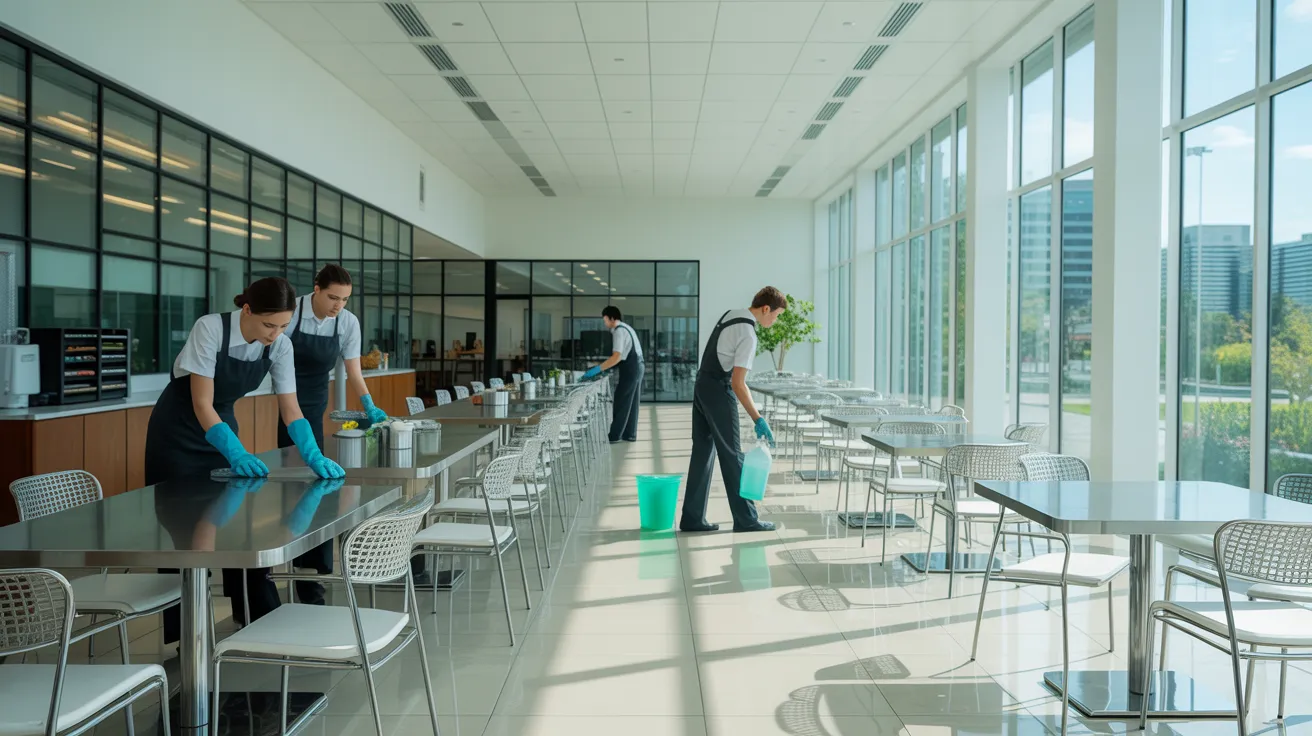
Important Highlights
- Sanitation technicians in Brampton support restaurants, grocery departments, commissaries, warehouses, bakeries, schools, mobile vendors, and allergen-sensitive operations.
- They disinfect high-touch surfaces, food-contact equipment, kitchens, floors, drains, restrooms, and storage areas using sectional methods to avoid cross-contamination.
- Approved specialists confirm proper chemical concentration, suitability, and contact time, then log conclusion with tests, assessments, and action records.
- Optimal hygiene timelines account for risk, throughput, changeovers, incidents, and regulations when designating regular, recurring, and periodic activities by zone.
- Prioritize suppliers demonstrating hazard analysis knowledge, sanitation understanding, WHMIS training, liability, credentials, colour-coded instruments, and audit-ready maintenance files.
Brampton Facilities That Need Food Safety Cleaning: Which Ones?
Any Brampton facility that processes, stores, prepares, packages, or distributes food needs food safety cleaning. You must use it if your facility falls under health department oversight, food regulations, or HACCP requirements. That requirement covers dining establishments, break rooms, food warehouses, market sections, butcheries, seafood areas, retail shops, and facility kitchens.
You'll additionally need adherent sanitation standards in distribution warehouses, production plants, frozen storage areas, commercial bakeries, educational meal programs, banquet venues, and food delivery services. Seasonal and mobile ventures apply too, like food trucks, event sellers, and temporary stalls. If your employees process ingredients, portion ready-to-eat items, reheat products, or store allergens, your establishment requires documented cleaning protocols. In Brampton, cleanliness stays compulsory; it comprises legal, operational, and consumer protection compliance.
What Services Do Brampton Cleaning Experts Provide?
You need cleaning experts who disinfect frequently contacted areas, kitchen areas, floor surfaces, and bathrooms to comply with food safety and health regulations. They focus on these spaces because they pose the greatest danger for cross-contamination, slip hazards, and hygiene violations.
If you grasp what they sanitize, you'll be able to confirm your facility meets required operational and regulatory standards.
High-Touch Surface Disinfection
Brampton maintenance experts stress high-touch surface sanitizing because these contact points can transfer harmful microorganisms and food particles throughout a establishment. You must have a formal plan for cleaning frequently touched items like handles, plates, switches, railings, equipment controls, payment terminals, and fridge pulls. Using area assessment techniques, experts locate every regularly used point and assign cleaning timing
swabbing methods to check cleaning effectiveness
Food Prep Areas, Flooring, and Sanitary Facilities
Professional cleaners in Brampton prioritize kitchens, floors, and restrooms given that each location involves specific contamination control, slip-and-fall, and public health requirements. In industrial kitchens, you need degreasing on cook lines, equipment exteriors, drains, prep surfaces, and splash zones to reduce bacterial growth and pest activity.
Floor care that is documented should equally be anticipated. Technicians clean and remove buildup from grout, tile, and vinyl flooring, then apply proper moisture management so you can reduce slip incidents and maintain code-compliant conditions. They also handle entryways where moisture and debris migrate indoors.
Restroom sanitation involves sanitizing touchpoints, fixtures, partitions, dispensers, and waste containers, replenishing amenities and managing odor. They also maintain restaurant cleaning supply rooms where product storage, sink cleanliness, and drain systems impact daily sanitation standards and worker protection.
The Importance of Food Safety Cleaning in Brampton
Brampton facilities require proper hygiene standards to fulfill compliance obligations and pass audits. You also minimize bacterial spread through proper cleaning of food-preparation surfaces, appliances, and frequently-touched items. Most importantly, you help protect public health by lowering the risk of foodborne illness in your facility.
Regulatory Code Requirements
Since Brampton food businesses must follow strict public health standards, your food safety cleaning directly affects your capability to fulfill health codes, protect diners, and prevent regulatory penalties. You must maintain sanitary food-contact surfaces, recorded sanitation plans, proper chemical use, and auditable operational standards that correspond to municipal and provincial inspection expectations.
Effective hygiene procedures aids in reducing allergen risks by limiting buildup buildup on joint machinery and high-touch areas.
Cross-Contamination Prevention
Maintaining health code standards copyrights on your power to stop cross-contamination during everyday food preparation and sanitation. You must separate raw ingredients from ready-to-eat foods, sanitize prep surfaces between tasks, and position cleaning agents away from food surfaces. Clear procedures reduce transfer risks and support consistent compliance during inspections.
You should implement allergen segregation to prevent major allergens from touching common work areas, storage bins, or tools. Employ separate boards, labeled implements, and strict utensil labeling so employees avoid combining products during preparation or service. Mandate washing hands following uncooked proteins, shellfish, egg items, or allergen products. Replace wiping cloths regularly, and verify sanitizer strength with test strips. When staff members receive training on these procedures every shift, you create a cleaner, safer operation that satisfies Brampton's safety standards consistently.
Public Health Protection
Should cleaning standards collapse, you don't simply risk a failed inspection—you increase the potential of contamination-related sickness harming customers, staff, and the wider Brampton community. You also undermine your responsibility in safeguarding community wellness, especially in busy food facilities where pathogens travel quickly through surfaces, equipment, and touchpoints.
You require cleaning protocols that eliminate soils, sanitize effectively, and validate outcomes. This involves maintaining contact periods, selecting approved disinfectants, logging schedules, and educating staff to meet regulatory requirements. These controls promote illness spread by minimizing pathogens before contaminating food or hands. Throughout Brampton, effective sanitation safeguards susceptible populations, minimizes disease potential, and proves your diligence. When you adhere to standards, you exceed regulations—you mitigate risk and enable safer food service throughout the area.
In What Ways Does Cleaning Help Achieve Food Safety Compliance?
Following strict sanitation practices enhances food safety compliance by reducing contamination risks, preventing pathogen multiplication, and ensuring your facility complies with sanitation requirements under HACCP-based programs and public health regulations. You verify that food-contact surfaces remain visibly clean and microbiologically controlled, facilitating documented preventive controls and inspection readiness.
Proper cleaning procedures also reinforce allergen mitigation by extracting residues that can lead to undeclared allergen exposure.
Determining When to Schedule Commercial Cleaning
spill incidents, and post-maintenance work
Schedule drains, vents, storage racks, and hard-to-reach equipment zones weekly or monthly, using inspection results and sanitation documentation.
Finding Quality Brampton Cleaning Experts: A Guide
Start by screening providers against food-safe sanitation requirements, not price alone. You should verify that each company understands CFIA, public health, and HACCP compliance standards relevant to your facility. Ask for proof of insurance, WHMIS compliance, documented staff training, and supervision practices. Review whether technicians understand contamination prevention, chemical handling, and traceable sanitation records.
Additionally, you need to evaluate service dependability and responsibility. Obtain references from Brampton food operations, then review response times, corrective-action procedures, and communication practices. Verify the company conducts supplier reviews and can deliver compliance-ready records when inspectors or external parties need proof. Verify equipment upkeep, colour-coded tools are applied correctly, and location-specific dangers are identified. A qualified provider protects compliance, product quality, and your brand reputation.
What does a cleaning and sanitation plan encompass?
Establish a documented program that clarifies every sanitation task, standard, and responsibility before production begins. You should specify cleaning intervals, permitted substances, dilution percentages, exposure times, instruments, and inspection methods for each zone, surface, and piece of equipment. Make sure to include pre-operational inspections, corrective actions, and employee training requirements.
Your plan should also address contamination prevention, garbage management, pest control procedures, and recorded timelines for bathrooms, drainage systems, surfaces, and food-preparation zones. Detail how you'll keep raw and prepared foods apart, enable ingredient tracking, and maintain accurate allergen labeling through validated cleaning between product changes. You should designate accountability, maintain signed records, and review results against regulatory standards, HACCP controls, and customer requirements. When gaps appear, update procedures immediately and retrain staff.
Frequently Asked Questions
Do sanitation providers operate during nighttime hours at Brampton properties?
Yes, you can schedule cleaning services to support nighttime operations in Brampton facilities. You'll coordinate overnight sanitation around production windows, access controls, and staffing requirements. Services generally outline nightshift logistics to reduce disruption, maintain compliance, and document completed tasks. You should confirm response times, oversight, lockout procedures, and disposal methods before service begins.
Will sanitation professionals respond to hazardous incidents?
Yes, you find out about this can expect Brampton sanitation professionals who provide emergency spill response services. They handle contamination, assess risks, contain contamination, and begin swift cleanup to minimize risk and avoid operational disruption. You should confirm response times, training certifications, PPE protocols, and disposal procedures. If your facility must meet regulatory requirements, choose a provider that records events, follows compliant standards, and enables compliance verification.
Will plant-based disinfectants disinfect safely surfaces contacting food?
Absolutely, natural disinfectants can be secure for surfaces contacting food when you pick items marked food-safe and satisfying regulatory requirements. You must verify application timing, concentration levels, and rinse requirements prior to application. Plant-derived products minimize chemical hazards, though you must obtain confirmation of performance against harmful bacteria. For preserving residue-free areas, adhere to manufacturer directions precisely and ensure the sanitizer adheres to food sanitation requirements.
Can maintenance plans flex with seasonal variations?
Without question, cleaning schedules are highly adaptable for seasonal production changes. Adjust frequencies, staff levels, cleaning agents, and testing procedures to correspond to seasonal workflows while upholding regulatory requirements. Minimize production interruptions by timing disinfection around line changes, peak seasons, and usage cycles. Also update procedural documents, instruction programs, and monitoring protocols to reflect periodic risks, additional allergens, or increased soil loads. Ongoing evaluations maintain your schedule efficient.
Do professional cleaners coach your team in sanitation best practices?
Certainly, professional cleaning experts coach your employees on sanitation best practices. You secure employee development on proper chemical use, processing times, contamination control, machine disassembly, and documentation. They typically align instruction with HACCP, GMP, and CFIA or local public health standards. Many also run health assessments to verify compliance, uncover shortcomings, and strengthen corrective measures. This helps you copyright standard processes, pass inspections, and minimize foodborne pathogen risks daily.
Summary
By partnering with Brampton food safety and commercial cleaning professionals, you aren't simply tidying—you maintain your facility inspection-ready and your standards in compliance. From production areas to kitchen zones, every sanitized surface and maintained corner decreases contamination and avoids expensive losses. By arranging service on the right schedule and adhering to a systematic cleaning protocol, you protect your team, customers, and your standing. In a strictly regulated industry, clean spaces must be prioritized—they're essential to successful operations.